
Introduction
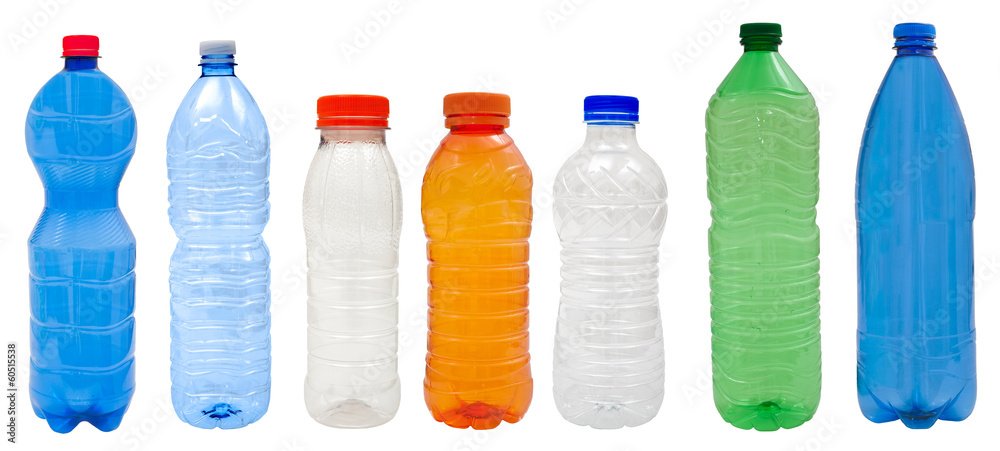
In the bustling streets of Karachi, Lahore, and Islamabad, a silent yet powerful economic movement unfolds daily. You may notice people collecting old plastic bottles—Pepsi bottles, Coca-Cola containers, water bottles—from streets, shops, and waste piles. At first glance, it might seem like random garbage picking, disconnected from any larger purpose.
But beneath this humble activity lies a story of resilience, necessity, and environmental consciousness. Every bottle collected is a small act of sustainability and a lifeline for families living on the margins of poverty.
In reality, this is part of a sophisticated informal recycling economy that employs thousands and protects the environment simultaneously. What looks simple is actually a complex chain of innovation, survival, and environmental stewardship.

Why Are People Collecting Plastic Bottles?
Most plastic bottles in circulation are made of PET plastic (polyethylene terephthalate), a material that can be recycled indefinitely without losing its properties. This makes them incredibly valuable in a developing economy.
People engage in bottle collection for multiple, interconnected reasons:
Daily Survival:
For many low-income families, bottle collection provides essential income when other employment is unavailable

The Kabari System:
Selling to scrap dealers (known as “kabaris”) offers immediate cash, even if the rates are modest
Industrial Demand:
Recycling factories actively purchase plastic waste by weight, creating a direct market
Supplementary Income:
Students and part-time workers use bottle collection to supplement household earnings
For a father earning 500 Pakistani Rupees per day from bottle collection, this informal work is not a choice—it is survival. For the environment, it is a blessing in disguise.
How Does the Recycling Process Work?
The plastic bottle recycling cycle in Pakistan is a remarkable example of circular economy in action, despite being largely informal:
| Stage | Activity | Key Details |
| 1. Collection | Street & waste gathering | Collectors go door-to-door, search landfills, and visit shops. Work 6-10 hours daily |
| 2. Sorting | Separation & cleaning | Bottles separated from other waste, labels removed, basic rinsing |
| 3. Transfer | Sale to scrap dealers | Weighing & payment by kabaris. Typical rate: 1-3 PKR per kg |
| 4. Aggregation | Compression & transport | Dealers compress bottles into bales, transport to factories |
| 5. Processing | Industrial recycling | Factories shred, wash, dry, and convert into plastic raw material (pellets) |
| 6. Manufacturing | New product creation | Pellets used to manufacture new bottles, containers, and packaging materials |
This raw material is then used to manufacture:
- New plastic bottles for beverages and water
- Plastic storage containers and household items
- Flexible packaging material for food and products
- Plastic films and sheets for industrial use
A plastic bottle collected from the streets of Lahore today could become a shopping bag in Karachi tomorrow—completing a circle that preserves resources and sustains livelihoods.
Why This Activity Matters
Although bottle collection appears small and informal, its impact is profound and multifaceted:
Economic Impact
- Direct Employment: Estimated 100,000+ people in Pakistan depend on waste collection for primary income
- Income Generation: A dedicated collector can earn 300-800 PKR daily, supporting entire families
- Economic Multiplier: Money earned circulates in local communities, supporting small shops and services
Environmental Benefits
- Landfill Reduction: Prevents hundreds of tons of plastic from ending up in landfills annually
- Urban Cleanliness: Streets and public spaces remain cleaner through informal collection
- Resource Conservation: Recycled plastic reduces demand for virgin plastic production, saving fossil fuels
- Carbon Footprint: Recycling plastic requires 66% less energy than manufacturing new plastic
Without this informal system, Pakistani cities would be drowning in plastic waste, and thousands of families would lose their only source of income. The bottle collector is both an environmental guardian and an economic lifeline.
Challenges in This System
Despite its importance, the informal recycling economy faces significant obstacles that impact workers and efficiency:
- Low Earnings: Collectors earn only 1-3 PKR per kilogram, translating to 300-800 PKR per day—below poverty line standards
- Safety Hazards: Workers lack protective equipment. Exposure to broken glass, contaminated materials, and sharp objects causes injuries
- Health Issues: Hygiene awareness is minimal. Workers handle contaminated materials without gloves, risking infections and diseases
- No Formal Protection: Zero government support, no workers’ compensation, no healthcare benefits, no social security coverage
- Exploitation Risk: Kabaris often exploit collectors with unfair weighing and inadequate compensation for their labor
- Lack of Education: No formal training in recycling processes, material separation, or sustainable practices
A collector works in dangerous conditions for meager pay, yet society often overlooks their sacrifice. They deserve dignity, fair compensation, and safety protection as much as any formal sector worker.
The Path Forward: Solutions & Opportunities
Several initiatives and potential improvements could strengthen Pakistan’s recycling economy:
- Government Support: Formal recognition and worker protection schemes through labor departments
- Fair Pricing: Establishment of minimum rates for scrap materials to protect collectors from exploitation
- Safety Equipment: Provision of gloves, masks, and first-aid kits to reduce health risks
- Cooperative Models: Formation of collector cooperatives to increase bargaining power and earnings
- Technology Integration: Mobile-based systems to connect collectors directly with factories
- Awareness Campaigns: Education on hygiene, recycling processes, and workers’ rights
Final Thoughts
What appears to be simple “bottle picking” is actually part of a vital and sophisticated recycling chain. It represents resilience, environmental consciousness, and economic necessity intertwined into one powerful movement.
The plastic bottle collector in Lahore is not just earning a livelihood—they are protecting the environment, reducing landfill burden, conserving resources, and keeping cities clean. They deserve recognition, respect, and systemic support.
Pakistan’s hidden recycling economy is a testament to human ingenuity in the face of poverty. With proper support, regulation, and fair compensation, this informal system could become a model for sustainable development across South Asia.
The next time you see someone collecting plastic bottles, remember: they are not just workers—they are environmental heroes changing Pakistan’s future, one bottle at a time.