
Cash drawers and Excel tabs can’t keep up with omnichannel habits, real‑time expectations, and tighter margins. This year’s shift is blunt. Shoppers expect flexible payments, curbside pickup, buy‑online‑return‑in‑store, and consistent pricing across channels. Vendors have made cloud-based POS systems easier to deploy, integrate, and secure, and point-of-sale systems have evolved from nice-to-have to frontline essentials.
The gap between stores using POS as a growth engine and those avoiding it is widening by the week—and your competitors love the delay. The best part is that POS adoption no longer requires enterprise budgets. Modern systems are subscription‑based, hardware‑agnostic, and can sync with your accounting or eCommerce platforms in minutes.
POS Is Your Real-Time Source of Truth
You get a single record of stock, sales, and customers. Without it, every decision is a guess. The system unifies barcode scans, online orders, and returns into one inventory count you can trust.
When your team can see the exact availability by location, you avoid stockouts, dead stock, and refund spirals. This is the foundation of profitable retail, not an add‑on.
- A cloud POS updates quantities the moment an item is sold, returned, received, or transferred.
The result is fewer walk‑outs, less shrinkage, and an end to awkward, “Let me check the back” moments. It also creates transparency across departments so buyers, managers, and sales staff work from the same truth.
Benefits of centralized inventory:
- Fewer manual errors and reduced reconciliation time.
- Immediate updates across all connected channels.
- Streamlined forecasting using live stock data.
- Improved coordination between physical and online sales teams.
Real-time alerts for stock thresholds
You can set minimum quantities and get notified before a bestseller runs out. That turns replenishment into a workflow, not a fire drill. You’ll also see stale SKUs long before they become clearance‑bin liabilities. The same alerts can help forecast seasonal demand and identify items with sudden sales surges.
Unified product and pricing data
Manage variants, bundles, and promotions from one catalog. Push changes to every channel instantly so your signage, site, and receipts match. Consistency prevents price disputes and protects margins. It also allows quick response to competitor pricing changes or supplier adjustments.
Checkout That Converts, Not Just Charges
If you run a small boutique or manage a liquor store point of sale system, the checkout experience becomes the heartbeat of your business. Speed, trust, and flexibility define modern checkout.
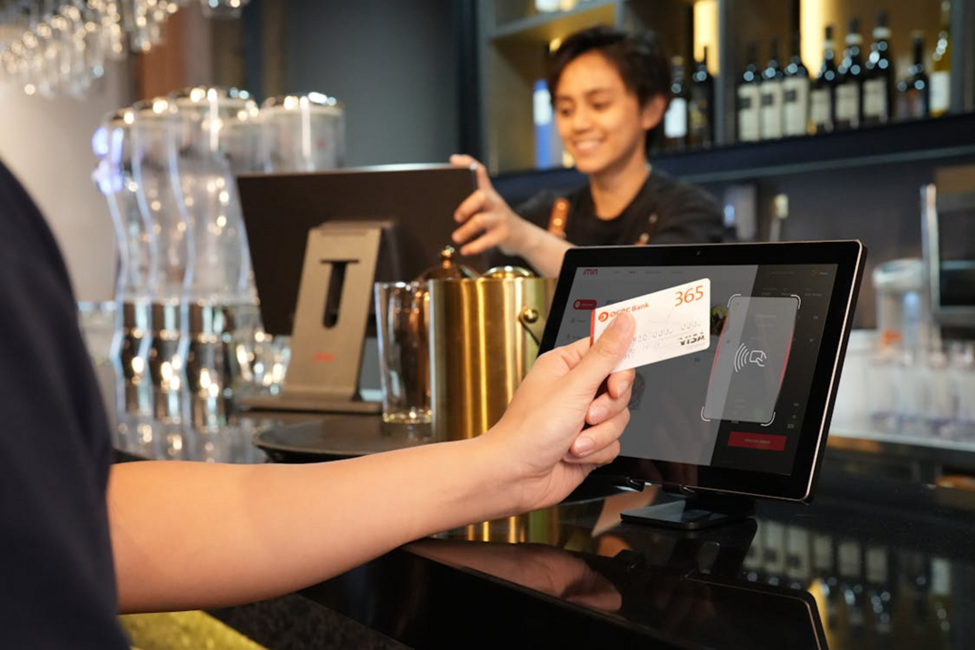
A good POS clears carts with tap‑to‑pay, gift cards, store credit, and partial payments. You capture emails and preferences at the counter without slowing the line. The goal isn’t a transaction—it’s a repeatable experience.
Mobile POS that meets customers where they are
Line‑busting iPads and phones let associates ring up anywhere in the store. That reduces abandonment during rush hours and lets you turn pop‑ups or events into real revenue. It also doubles as assisted selling: scan, compare, and upsell on the spot. Mobile flexibility builds a more engaging, less transactional experience.
Advantages of mobile POS:
- Quicker checkouts during peak hours.
- Ability to serve customers anywhere in the store or off‑site.
- Personalized recommendations during checkout.
- Real-time integration with loyalty or CRM systems.
Contactless and alternative payments
Tap, QR, digital wallets, and buy now pay later are standard expectations, not perks. A flexible POS reduces friction for high‑ticket or last‑minute purchases. You get higher conversion without training customers to wait or walk. Adding new payment methods also keeps your business competitive with e-commerce giants.
Receipts that continue the relationship
Email or SMS receipts can include warranty info, care tips, and a tailored offer. They feed your CRM with permissioned data you actually use. Post‑purchase content improves retention without extra ad spend. The checkout becomes your easiest data collection point.
Omnichannel Without the Chaos
When POS is the hub, store and site inventory reconcile automatically. You can offer ship‑from‑store, pick‑up‑in‑store, or returns anywhere without manual hacks. Every order still hits the same ledger. Omnichannel commerce no longer belongs only to big brands—it’s becoming the baseline for survival.
Let shoppers check out once and choose pickup, delivery, or split fulfillment. Associates see the same order view, so handoffs are clean. That makes returns routine instead of a policy debate. Fewer errors mean happier customers and fewer negative reviews.
Exposing live in‑store stock on your site so buyers know what’s available before they leave home. This reduces support tickets and improves local conversion. Curbside and same‑day become operational, not aspirational. Transparency builds trust and drives repeat visits.
Promotions that sync everywhere
Schedule discounts, bundles, and loyalty rewards from one place. The POS applies them online and in‑store with the same rules. No more mismatched coupons or front‑line overrides. Dynamic discounts can also reward top customers and encourage higher basket values.
How omnichannel POS streamlines operations:
- Synchronizes inventory across physical and online stores.
- Enables accurate real‑time product availability.
- Simplifies returns and exchanges through unified records.
- Maintains consistent customer experience across every channel.
Data, Automation, and the End of Guesswork
Manual reports encourage wishful thinking. A modern POS surfaces SKU‑level margins, attachment rates, and cohort behavior so you cut what isn’t working and double down on what is. Automation then executes decisions consistently—no heroics required. Predictive analytics is now baked into many POS dashboards, turning data into direction rather than confusion.
SKU and category profitability, not just revenue
See true margins after discounts, returns, and payment fees. This reveals fake winners and quiet profit centers. You stop over‑stocking items that look popular but don’t pay. Accurate insights guide smarter purchasing and merchandising.
Automated reorder points and purchase orders
Use sales velocity and seasonality to generate POs you can approve in minutes. Vendors get consistent demand signals, you get better terms, and shelves stay balanced. The time you get back is worth more than any discount. Automated systems also help negotiate supplier terms based on real data, not guesswork.
Customer insights that translate to action
Tie receipts to profiles to see lifetime value, favorite categories, and churn risk. Trigger segmented offers, VIP perks, and first‑access drops automatically. You trade blanket discounts for precision. Over time, you develop a self‑learning feedback loop where every sale improves your next marketing step.
Data-driven advantages:
- Better demand forecasting and trend prediction.
- Efficient allocation of ad spend based on buying behavior.
- Faster decisions using visual analytics dashboards.
- Reduced reliance on manual data entry and reconciliation.
Security, Compliance, and Operational Resilience
A liquor store point of sale system also simplifies ID verification and tax tracking, addressing industry‑specific compliance needs without adding complexity. If your POS goes down or your data leaks, revenue stops, and trust evaporates.
Modern systems bake in encryption, tokenization, role‑based access, and redundant processing. They also support offline mode so you can keep selling if the internet hiccups. Stability is a feature customers feel but never notice.
- Choose a PCI‑compliant, EMV‑capable processor integrated with your POS. Tokenized card data and point‑to‑point encryption keep you out of breach headlines. Chargebacks get easier to fight when your records are complete—a secure payment environment also boosts consumer trust, especially for first‑time buyers.
- Define who can discount, refund, or edit inventory. Every action gets logged, which deters misuse and speeds up investigations. You protect margins without hovering over the counter. Layered permissions also make onboarding new staff faster and safer.
Offline continuity plans
With offline mode, you can keep ringing up sales and syncing later. Battery‑backed mobile POS becomes your safety net during outages or events.
Customers see reliability—your team feels relief. Backup systems and automatic sync ensure no data is lost during downtime.
Security checklist for retailers:
- Confirm PCI DSS compliance and regular software updates.
- Use strong passwords and enable two‑factor authentication.
- Limit access based on employee roles.
- Back up POS data regularly and test recovery procedures.
Conclusion
The argument that you’re “too small” for POS falls apart under basic math. You already pay for lost time, bad counts, and abandoned carts—it just doesn’t show up on one invoice. A modern retail POS lowers those invisible costs and turns routine tasks into repeatable wins.
Adopting a retail POS doesn’t mean chasing trends for their own sake. It means getting the foundation right and letting disciplined processes carry the load: accurate inventory, fast checkout, unified orders, clear data, and resilient operations.
The longer you wait, the more expensive the catch‑up becomes. If you want a practical starting line, pick a cloud POS that supports mobile checkout, real‑time inventory, and native e‑commerce sync—then let the system prove its value week by week.