
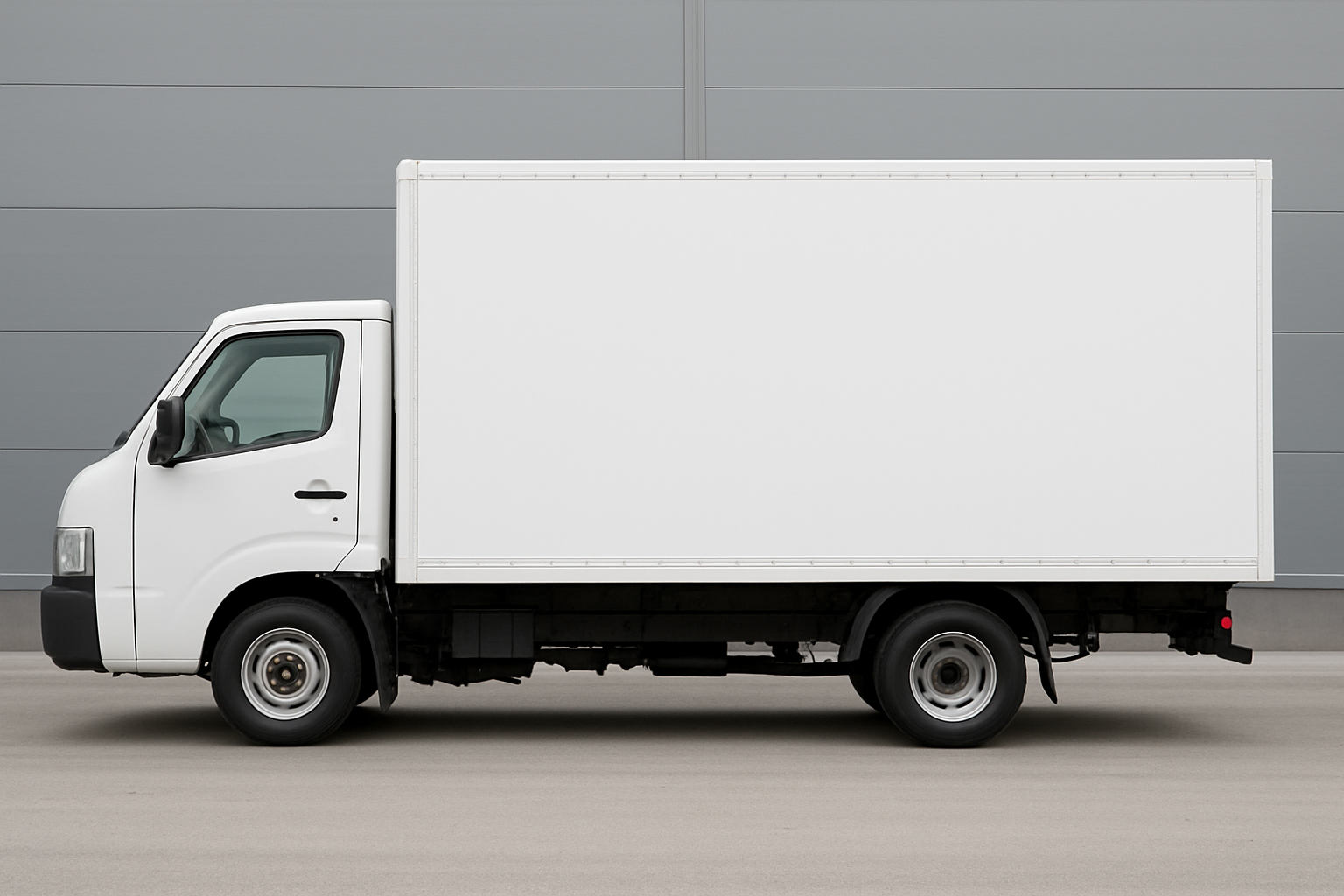
Starting a mobile food business is an exciting venture, but one of the biggest hurdles entrepreneurs face is securing the necessary capital to purchase their equipment. A custom built food trucks can range anywhere from $50,000 to well over $150,000 depending on size, features, and customization level. Understanding your financing options and developing a smart funding strategy can make the difference between launching your dream business or watching it remain just that—a dream.
The good news is that aspiring food truck owners have more financing avenues available today than ever before. From traditional bank loans to alternative lending platforms, equipment financing to creative crowdfunding campaigns, there’s likely a path that fits your financial situation and business goals. The key is understanding how each option works, what lenders look for, and how to position yourself as a strong candidate for approval.
Understanding the True Cost of Custom Food Trucks
Before diving into financing options, it’s essential to understand the full scope of what you’re financing. The sticker price on custom food trailers is just the beginning. Your total startup capital needs to account for multiple cost categories that extend beyond the initial purchase.
The base price of your mobile kitchen covers the trailer or truck itself along with essential equipment like cooking appliances, refrigeration units, generators, and plumbing systems. However, you’ll also need to budget for permits and licenses, which can vary significantly by location but typically run several thousand dollars. Insurance is another non-negotiable expense, with comprehensive coverage for your vehicle, equipment, and liability often costing between $2,000 and $4,000 annually.
Don’t forget about initial inventory and supplies, point-of-sale systems, branding and vehicle wraps, and a working capital cushion to cover operating expenses during your first few months. When you add everything together, many entrepreneurs find they need 20 to 30 percent more capital than the trailer cost alone. This comprehensive understanding helps you request the right loan amount and avoid underfunding your launch.
Traditional Bank Loans and SBA Financing
Traditional lending institutions remain one of the most common routes for financing custom built food trailers. Banks typically offer competitive interest rates, longer repayment terms, and the ability to borrow larger amounts compared to alternative lenders. However, they also maintain stricter qualification requirements and lengthier application processes.
Commercial banks generally require strong personal credit scores, often in the mid-600s or higher. They’ll scrutinize your business plan thoroughly, looking for realistic financial projections, clear market research, and evidence of industry knowledge. Most banks also require a down payment of 10 to 20 percent and may ask for collateral beyond the food truck itself.
Small Business Administration loans, particularly the SBA 7(a) program, offer a middle ground with government-backed guarantees that reduce lender risk. This backing allows banks to approve borrowers who might not qualify for conventional loans while still offering favorable terms. SBA loans can cover up to 90 percent of your project costs with repayment periods extending up to 10 years for equipment purchases.
The application process for traditional financing typically takes four to eight weeks and requires extensive documentation. You’ll need tax returns, bank statements, a detailed business plan, personal financial statements, and information about your industry experience. While the process demands patience and preparation, the payoff comes in lower interest rates and more manageable monthly payments over the long term.
Equipment Financing and Leasing Options
Equipment financing represents a specialized loan category designed specifically for purchasing business assets like food trucks and trailers. This approach offers distinct advantages over general business loans, particularly for entrepreneurs who want to preserve working capital or have limited collateral.
With equipment financing, the food truck itself serves as collateral for the loan. This arrangement typically makes approval easier and down payments smaller compared to unsecured business loans. Lenders feel more comfortable because they can repossess and resell the equipment if you default, which translates to more accessible funding for borrowers with moderate credit profiles.
Interest rates on equipment loans generally fall between 6 and 20 percent depending on your creditworthiness, down payment size, and chosen lender. Repayment terms usually match the expected lifespan of the equipment, ranging from three to seven years for food trucks. Monthly payments remain fixed throughout the loan term, making it easier to budget and forecast your cash flow.
Leasing presents an alternative worth considering, especially if you want to minimize upfront costs or maintain flexibility. With a lease, you make monthly payments to use the equipment without technically owning it. At the lease end, you typically have options to purchase the truck at its residual value, return it and lease a newer model, or simply walk away. Leasing requires less capital upfront and may offer tax advantages, though you’ll generally pay more over time compared to purchasing outright.
Alternative Lending and Online Platforms
The rise of financial technology has created numerous alternative lending options that cater specifically to small business owners. These online lenders offer faster approvals, more flexible qualification criteria, and streamlined application processes compared to traditional banks, though usually at higher interest rates.
Online business lenders can often provide funding decisions within 24 to 48 hours and disburse approved funds in less than a week. They rely on algorithms and alternative data sources beyond just credit scores, considering factors like your business revenue, bank account activity, and online presence. This approach opens doors for entrepreneurs with shorter credit histories or those who’ve faced financial challenges in the past.
Merchant cash advances represent another alternative, though they should be approached cautiously. With this arrangement, you receive a lump sum upfront in exchange for a percentage of your future credit card sales. While approvals come quickly and easily, the effective interest rates can be extremely high, sometimes exceeding 40 percent annually. This option works best for very short-term needs when you’re confident about rapid revenue growth.
Peer-to-peer lending platforms connect borrowers directly with individual or institutional investors willing to fund small business loans. These platforms often feature competitive rates that fall between traditional banks and high-cost alternative lenders. The application process remains fairly straightforward, and funding decisions typically arrive within one to two weeks.
Creative Funding Strategies and Bootstrapping
Beyond conventional loans, creative entrepreneurs have successfully launched food truck businesses using alternative funding strategies that reduce or eliminate debt. These approaches require more time, effort, or personal sacrifice but can position your business for stronger long-term financial health.
Crowdfunding has emerged as a viable option for charismatic entrepreneurs with compelling stories and strong community connections. Platforms like Kickstarter and Indiegogo allow you to raise capital from hundreds or thousands of small contributors in exchange for rewards, early access, or simply supporting your vision. Successful food truck crowdfunding campaigns often raise between $20,000 and $75,000 by offering creative rewards like naming rights, lifetime discounts, or exclusive tasting events.
Personal savings and bootstrapping represent the most debt-free approach, though they’re not realistic for everyone. Some entrepreneurs work full-time jobs while saving aggressively, start with a smaller cart or trailer before upgrading, or purchase used equipment that requires less capital. While this path takes longer, it allows you to launch without debt obligations or monthly loan payments eating into your profits.
Partnerships can spread both the financial burden and operational responsibilities. Bringing on a co-owner with complementary skills and capital contributions reduces your individual funding needs while adding expertise in areas where you might be weaker. The key is establishing clear agreements about ownership percentages, decision-making authority, and profit distribution before launching the business.
Family and friends sometimes provide more favorable loan terms than institutional lenders, though these arrangements require careful handling to avoid damaging relationships. If you pursue this route, treat it as professionally as any business loan with written agreements, defined repayment schedules, and regular communication about business performance.
Preparing a Strong Loan Application
Regardless of which financing route you choose, preparation significantly impacts your approval odds and the terms you receive. Lenders want to see that you’ve thoroughly researched your market, understand your costs, and have realistic plans for profitability.
Your business plan serves as the cornerstone of any loan application. This document should clearly articulate your concept, target market, competitive landscape, marketing strategy, and financial projections. Include detailed startup costs, realistic revenue forecasts based on similar businesses in your area, and break-even analysis showing when you’ll become profitable. The more specific and research-backed your projections, the more confidence lenders will have in your ability to repay the loan.
Financial documentation proves your personal reliability and current financial health. Gather at least two years of personal tax returns, recent bank statements showing consistent deposits, proof of income from current employment, and a list of all existing debts with payment histories. If you have previous business experience, include those financial records as well.
Strong personal credit remains crucial for most financing options. Before applying, check your credit reports from all three bureaus, dispute any errors, and take steps to improve your score if needed. Paying down existing debts, making all payments on time, and avoiding new credit inquiries in the months before applying all help strengthen your credit profile.
A substantial down payment demonstrates your commitment and reduces lender risk. Even if a lender doesn’t require it, offering 15 to 20 percent down often results in better interest rates and terms. This down payment can come from personal savings, proceeds from selling assets, or contributions from partners or investors.
Managing Your Financing Long-Term
Securing financing is just the first step in a long-term relationship with debt that requires careful management. Your approach to loan repayment and financial stewardship directly impacts your business’s sustainability and growth potential.
Creating detailed monthly budgets that account for loan payments alongside all operating expenses helps ensure you never miss payments while maintaining adequate working capital. Many successful food truck owners follow the profit-first method, allocating percentages of revenue to specific accounts including loan repayment, operating expenses, taxes, and profit before spending on anything else.
Building an emergency fund should be a priority from day one, even while making loan payments. Setting aside 10 percent of profits during strong months creates a cushion for equipment repairs, slow seasons, or unexpected expenses without threatening your ability to make loan payments.
Consider making extra payments when possible, especially on higher-interest debt. Even small additional principal payments early in the loan term can save thousands in interest charges and help you become debt-free months or even years earlier than scheduled. However, check for prepayment penalties before adopting this strategy.
Regularly reviewing your loan terms and market conditions helps identify refinancing opportunities. As your business establishes a track record and your credit improves, you may qualify for better rates that significantly reduce your monthly payments or total interest costs. Refinancing typically makes sense when you can reduce your interest rate by at least one to two percentage points.
Making Your Financing Decision
Choosing the right financing approach depends on your unique situation, including your credit profile, available capital, risk tolerance, and timeline. Strong credit and patience favor traditional bank loans with their lower rates and longer terms. Those needing faster funding or with credit challenges might benefit from alternative lenders despite higher costs. Entrepreneurs with time and community connections could explore crowdfunding or bootstrapping approaches.
The most important factor is ensuring your monthly payments fit comfortably within realistic revenue projections. Financial stress from overleveraging can derail even the most promising food truck concept. Start with conservative sales estimates, factor in seasonal fluctuations, and maintain adequate working capital beyond just making loan payments.
Your mobile food business represents more than just a financial investment. It’s the realization of culinary creativity, entrepreneurial spirit, and the dream of independence. By carefully evaluating financing options, preparing thorough applications, and managing debt responsibly, you position yourself not just to purchase a food truck but to build a thriving, sustainable business that serves your community while supporting your financial goals for years to come.