
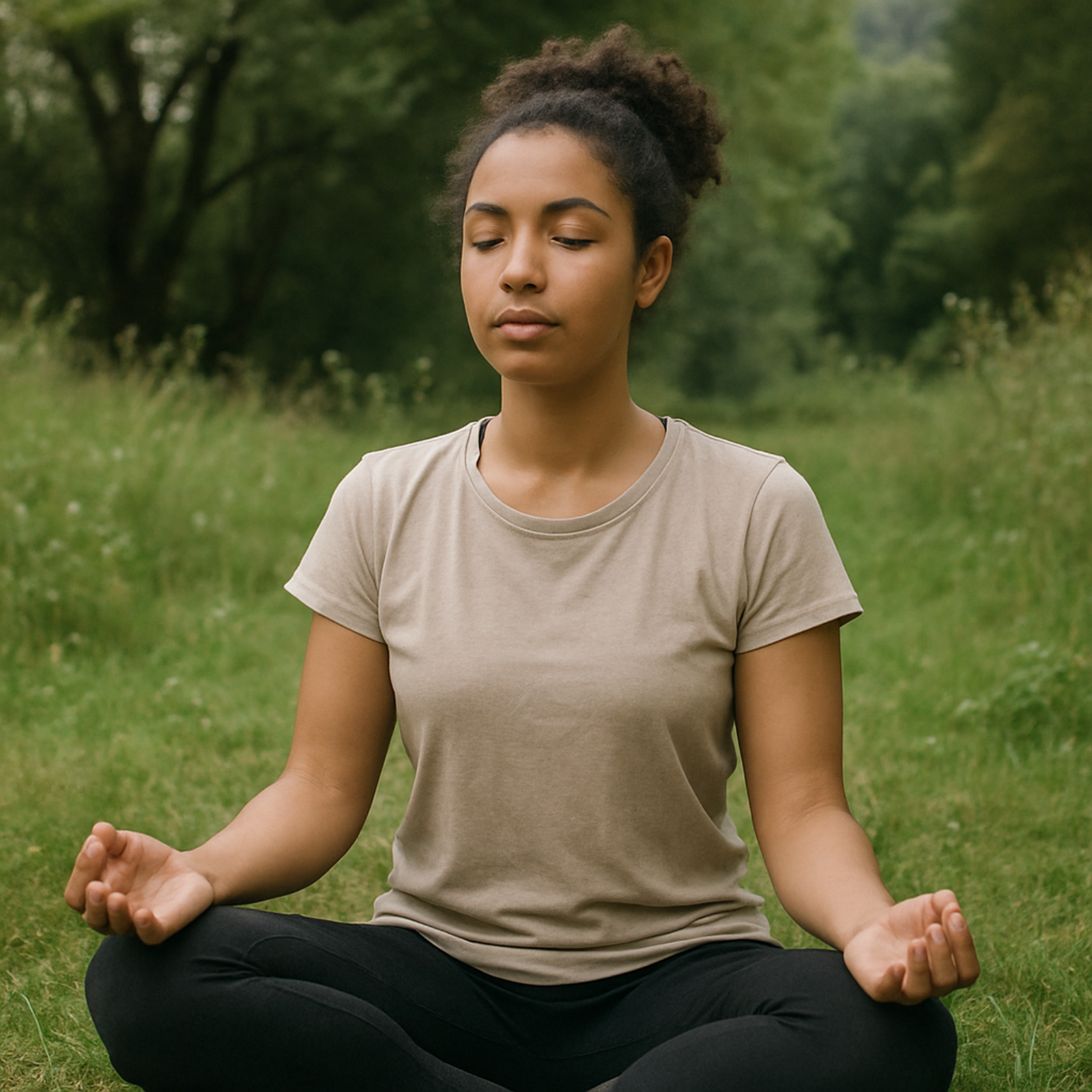
Mindfulness is more than a buzzword; it’s a way to enhance your life. It involves being present and fully engaged in the moment. This practice can lead to a healthier lifestyle and improved well-being.
In today’s fast-paced world, stress and anxiety are common. Mindfulness offers a path to reduce these feelings. It helps you respond to life’s challenges with calm and clarity.
Mindfulness is accessible to everyone. You don’t need special skills or equipment to start. Simple techniques can be integrated into your daily routine.
Practicing mindfulness can improve both mental and physical health. It encourages a balanced approach to life, promoting emotional well-being and self-care.
Join us as we explore mindfulness practices for a healthier life. Discover how these techniques can transform your wellness journey.
Understanding Mindfulness and Its Benefits
Mindfulness is about focusing your attention on the present moment. It means accepting your feelings and thoughts without judgment. This approach can significantly impact your mental and emotional well-being.
Engaging in mindfulness can lead to various health benefits. It helps to reduce stress and anxiety levels. Regular practice also enhances emotional regulation, promoting a calmer approach to daily life.
Mindfulness goes beyond mental health. It positively affects physical health, boosting the immune system and improving sleep quality. By encouraging relaxation, mindfulness reduces racing thoughts that interrupt restful sleep.
Some benefits of mindfulness include:
- Improved focus and concentration
- Enhanced emotional regulation
- Better stress management
- Improved physical health
- Increased overall happiness
Incorporating mindfulness into your life doesn’t require major changes. Simple practices can integrate with your existing habits. Over time, these practices can lead to profound improvements in health and wellness. You can become more in tune with yourself and your surroundings. This awareness lays the foundation for a balanced, healthier life, letting you appreciate life’s moments more fully.
How Mindfulness Supports Healthy Lifestyle Choices
Mindfulness plays a crucial role in adopting healthy lifestyle choices. By paying attention to your thoughts and actions, you become more conscious of your habits. This awareness enables you to make choices that align with your health goals.
Practicing mindfulness helps you listen to your body’s needs. It fosters an understanding of your hunger cues, leading to more mindful eating. As a result, you may find yourself eating more nutritious foods and making healthier dietary decisions.
Mindfulness supports various aspects of your life by:
- Encouraging intentional eating habits
- Helping break unhealthy habits
- Promoting mindful movement and exercise choices
Incorporating mindfulness into daily activities allows you to be more present and engaged. Whether selecting foods, planning workouts, or simply resting, mindfulness encourages deliberate and thoughtful choices. It provides a foundation for a more satisfying and healthier way of living, enhancing your overall health and wellness. Mindfulness empowers you to choose well, promoting lasting change and vitality.
Simple Mindfulness Techniques for Everyday Life
Incorporating mindfulness into your daily life doesn’t need to be complicated. Simple techniques can help you stay present and grounded. These practices are accessible and easy to implement, making them perfect for busy individuals.
One effective technique is mindful breathing. Focus on your breath, inhaling slowly and deeply, then exhaling with control. This practice can reduce stress and improve your mood within minutes.
Mindful eating is another valuable practice. Take time to savor each bite, appreciating the flavors and textures of your food. This not only enhances enjoyment but also aids digestion.
Consider these simple mindfulness techniques:
- Mindful walking in nature
- Journaling your thoughts and feelings
- Practicing gratitude by writing daily

Mindfulness Practices for a Healthier Life
Daily activities offer opportunities to practice mindfulness. Whether doing the dishes or walking to work, keep your focus on the present moment. This simple shift in attention can transform mundane tasks into moments of peace.
Regular practice of these techniques can improve both mental clarity and emotional resilience. Over time, they become a natural part of your routine, enhancing your overall sense of well-being. By incorporating these everyday mindfulness practices, you unlock a path to a healthier and more mindful life.
Integrating Mindfulness into Your Daily Routine
Mindfulness can seamlessly blend into your daily routine. This integration requires intention and a bit of planning, yet the rewards are significant. By making mindfulness a habit, you enhance your mental and physical health.
Start by identifying natural pauses in your day. Use these moments for brief mindfulness practices. A few minutes here and there can greatly impact your health and wellness journey.
Consider incorporating these strategies into your routine:
- Begin and end your day with a short meditation.
- Set reminders to take mindful breaths throughout the day.
- Use meal times as opportunities for mindful eating.
This routine doesn’t necessitate extra time; it transforms existing moments. For example, turn your commute into a mindful experience by focusing on your surroundings. Engage fully with your senses as you walk or commute.
The key to successful integration lies in consistency. As you regularly practice mindfulness, it becomes a natural part of your lifestyle. Small, mindful actions compound, leading to positive changes in your overall well-being.
Mindfulness for Emotional and Physical Wellness
Mindfulness plays a key role in enhancing emotional and physical wellness. It provides tools to navigate life’s challenges with greater resilience and calmness. By focusing on the present, individuals can better manage stress and anxiety.
Engaging regularly in mindfulness can enhance emotional regulation. This helps individuals respond calmly to various situations instead of reacting impulsively. The practice fosters a sense of inner peace and emotional stability, essential for a healthy life.
Moreover, mindfulness has significant benefits for physical health. It improves sleep quality by reducing racing thoughts and promoting relaxation. This leads to more restorative rest and better overall health and wellness.
Some effective mindfulness practices include:
- Mindful breathing to calm the mind.
- Mindful movement like yoga for flexibility.
- Mindful eating for improved digestion.

Mindfulness Practices for a Healthier Life
Overall, mindfulness is an integral component of holistic health. It nurtures not only emotional wellness but physical vitality as well. Embracing this practice cultivates a balanced and harmonious lifestyle.
Tips for Staying Consistent with Mindfulness Practice
Consistency in mindfulness practice is crucial for long-term benefits. Setting aside specific times daily helps develop a routine. Even a few minutes of practice can make a big difference.
Begin with simple techniques that fit easily into your lifestyle. This avoids overwhelming yourself and encourages you to stay committed. Gradually, you can explore more complex practices as you become comfortable.
Consider these strategies to maintain a consistent practice:
- Use reminders like alarms to prompt practice.
- Engage with mindfulness apps for guidance.
- Join a mindfulness group for community support.
Staying consistent with mindfulness requires effort but is highly rewarding. These practices enhance emotional well-being and promote overall health. By following these tips, you will find mindfulness becoming a natural part of your life.
Conclusion: Embracing Mindfulness for Wellness and Health
Incorporating mindfulness into your life can transform your approach to health and wellness. It encourages presence and nurtures both mind and body.
By embracing mindfulness, you open the door to a healthier, more balanced lifestyle. This practice promotes clarity, emotional strength, and a deep appreciation for each moment.