
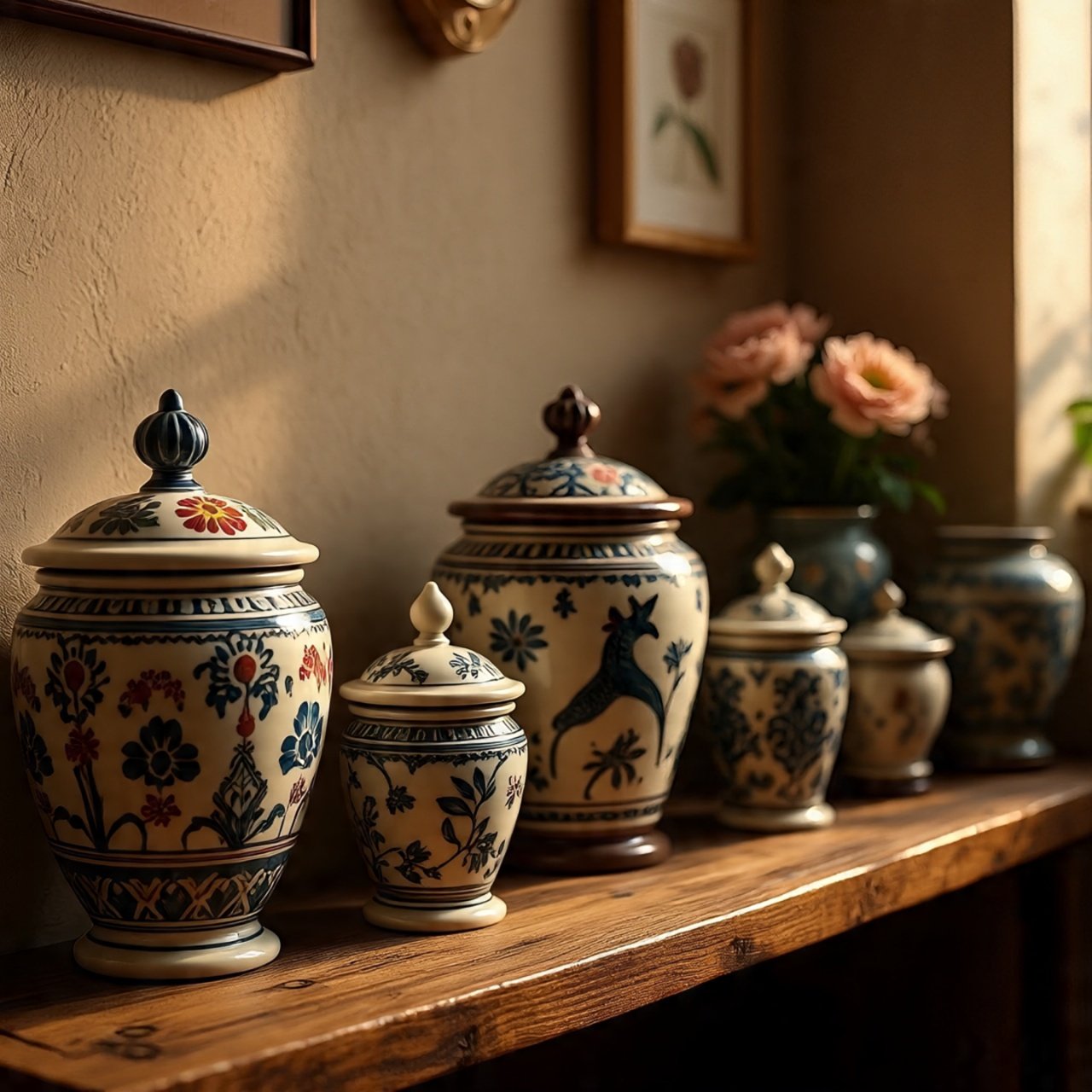
I never thought I’d be the kind of person writing about pet urns. Honestly, I didn’t even know much about them until I lost my little dog, Milo. He was a 12-pound ball of joy — a mix of mischief and tenderness that filled my days for over a decade. When he passed, the house felt too quiet. The first few days, I kept expecting to hear his tiny paws tapping across the floor.
When the time came to bring his ashes home, I wanted something special — something that felt like him. That’s how I began learning about pet urns for small dogs. It’s not an easy process, but it can be a beautiful one if you approach it with love and patience. So, I want to share what I learned, in case you’re going through the same thing.
Realizing What the Urn Really Represents
At first, I thought an urn was just a box for ashes — a practical necessity. But the more I looked, the more I realized it’s actually a memorial, a symbol of connection. The right urn doesn’t just hold remains; it holds memories, love, and all those little pieces of your pet that live on in your heart.
When I picked Milo’s urn, I didn’t just want something that looked nice. I wanted something that would make me smile — something that reminded me of the silly, sweet soul who made my life brighter.
Figuring Out the Right Size
One thing I didn’t know at the start was that dog urns come in different sizes, measured by volume — usually in cubic inches. Most people say you need about one cubic inch per pound of your pet’s weight.
Milo was around 12 pounds, so I looked for something that could hold 15–20 cubic inches, just to be safe. Many urns for small dogs fall within that range. If you’re unsure, your vet or cremation service can tell you exactly how much space you’ll need.
Exploring the Different Types of Urns
I spent hours scrolling through options — wooden, ceramic, metal, stone. Each had its own feeling and story. Here’s what stood out to me as I compared them.
Wooden Urns
These felt warm and natural, like something that could sit quietly on a shelf without feeling out of place. Some even came with tiny photo frames or engraved paw prints. I ended up choosing a walnut wood urn, because the deep brown reminded me of Milo’s fur.
- Pros: Classic, customizable, and comforting.
- Cons: Needs a dry place to avoid damage.
Ceramic Urns
Ceramic and porcelain urns are beautiful — almost like little works of art. Some are shaped like hearts or small sculptures. I found one shaped like a sleeping puppy that nearly made me cry.
- Pros: Artistic and elegant.
- Cons: Fragile — not ideal if you have kids or other pets.
Metal Urns
These are durable and modern-looking. I saw a few in brushed silver with simple engravings — they felt very sleek and timeless.
- Pros: Strong, long-lasting, and secure.
- Cons: A bit heavy, and less “soft” in feeling.
Stone and Marble Urns
If you plan to keep your urn outdoors — say, in a garden — stone or marble is an amazing choice. They look strong, almost eternal.
- Pros: Elegant and durable.
- Cons: Expensive and heavy.
Biodegradable Urns
I didn’t know these existed until someone mentioned them. They’re perfect if you want to bury your pet’s ashes or scatter them in nature. They dissolve naturally, which can feel very peaceful.
- Pros: Eco-friendly and symbolic.
- Cons: Not meant for display.
Personalizing the Urn
This part was surprisingly emotional for me. There are so many ways to make an urn uniquely your own. You can engrave your dog’s name, add dates, or even include a short quote.
I added a small brass plaque that said:
“Milo — Forever my little shadow.”
It felt right because he always followed me everywhere — from room to room, no matter what I was doing. Some people choose to add photos, paw prints, or even custom artwork. I’ve seen urns shaped like specific breeds, or painted in colors that match a dog’s fur.
When you personalize the urn, it stops being an object and becomes a tribute — a physical expression of love.
Deciding Where to Keep It
This was something I thought about for days. I wanted to see the urn every day, but I also wanted it to be in a peaceful spot. In the end, I placed it on a small shelf in the living room, next to his photo and collar.
If you live in a small apartment, you can choose compact designs — like mini urns, keepsake urns, or photo-frame urns that don’t take up much space. Some people even keep their pet’s ashes in memorial jewelry, like a pendant or bracelet, so their loved one stays close at all times.
Keepsake Urns and Sharing Ashes
If you’re part of a family, keepsake urns for cat ashes or dog ashes are a wonderful option. They’re smaller urns that hold just a little bit of ashes — so everyone can keep a piece of your pet. Some families also create companion urns that hold ashes from two pets together when the time comes.
I actually ordered a tiny heart-shaped keepsake urn along with the main one. I keep it on my desk — it helps on the hard days.
Matching the Urn to Your Dog’s Personality
Milo was playful, stubborn, and ridiculously affectionate. He loved chasing tennis balls and sneaking onto the couch when he thought I wasn’t looking. When I looked at urns, I wanted something that felt like him — not just something fancy or pretty.
So, if your dog was calm and gentle, maybe choose something simple and elegant. If they were energetic and silly, pick something colorful or with paw prints. Don’t be afraid to let their personality guide you — it makes the memorial so much more meaningful.
Budgeting Without Guilt
Pet urns can range from $30 to $300 or more, depending on the material and design. At first, I felt guilty about spending too much — but then I realized this isn’t just a purchase. It’s a goodbye gift. It’s okay to spend what feels right for your heart and your budget.
There’s no “right” amount — only what brings you peace.
Keeping It Beautiful
Once you have your urn, you’ll naturally want to keep it looking its best. Here’s what I learned:
- Wipe it gently with a soft cloth — no harsh cleaners.
- Avoid direct sunlight for wooden or ceramic urns.
- Keep it away from humidity or pets who might knock it over.
- If it’s outdoors, protect it from rain or extreme heat.
It doesn’t take much — just small acts of care that feel, in a way, like caring for your pet all over again.
Honoring Their Memory Beyond the Urn
The urn is just one part of remembrance. I found it healing to create a little memory corner — a candle, his photo, and a small toy he used to carry around.
Some other ideas:
- Plant a tree or flower in their memory.
- Make a photo book of their life.
- Donate to a rescue shelter in their name.
- Write a letter to them every year on their birthday.
These rituals don’t make the pain disappear, but they help transform grief into gratitude.
The Moment I Brought Him Home
When the cremation service handed me the box that held Milo’s ashes, I felt my heart break all over again. But when I placed them in his urn — the one I chose with so much love — I felt a strange kind of peace.
It didn’t bring him back, of course. But it made me feel like he had a resting place that truly honored him. Now, every time I glance at that little walnut box, I don’t just see loss — I see love.
If you’re reading this because you’ve lost your small dog, I’m so sorry. It’s one of the hardest things to go through. But choosing an urn can be a healing process — a way to say thank you, to celebrate their life, and to keep them close forever.
Your dog may have been small, but their love was anything but. And that’s what this little urn is really about: a love that never leaves.